Plan C
Paleontologist
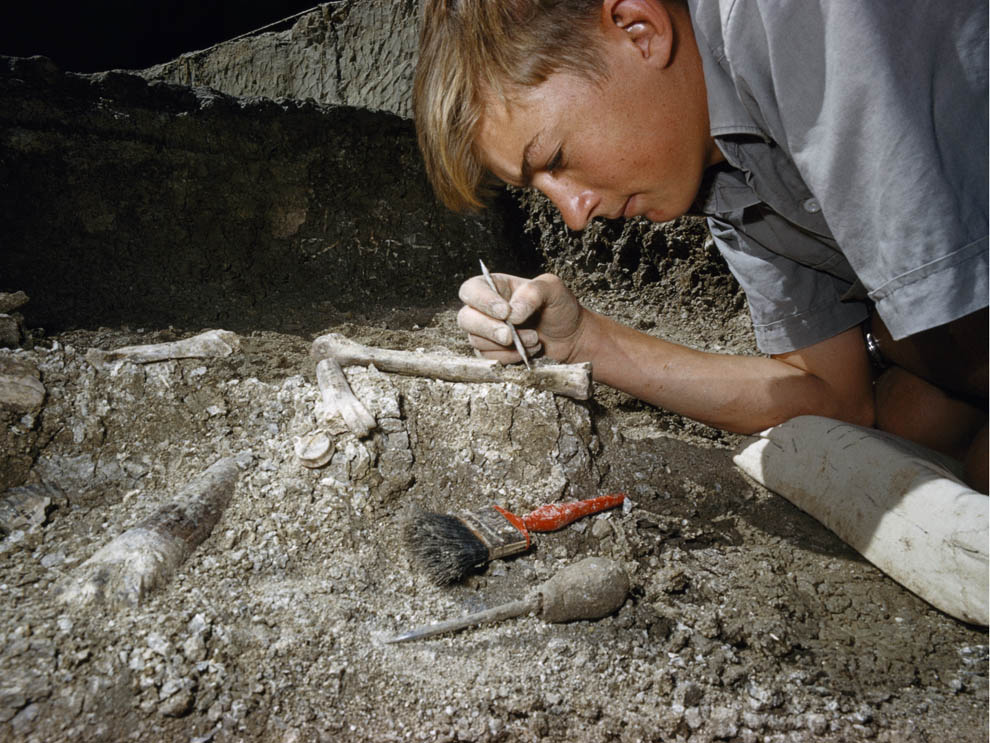
What they do
A paleontologist is a scientist who studies ancient life on Earth. They primarily analyze fossils—such as bones, teeth, shells, and leaves—to understand how extinct organisms lived, how they evolved, and how past ecosystems and climates responded to environmental changes over billions of years.
Work Environment
Paleontologists study past life through fossils, splitting their time between outdoor field excavations, indoor laboratory analysis, and office or academic settings. The profession requires physical stamina, patience, and adaptability to transition from rugged, remote dig sites to precise, microscopic laboratory work.
How to become one
To become a paleontologist, you typically need to earn a Bachelor’s degree in geology or biology, followed by a Master's or Ph.D. in paleontology. You should build hands-on experience through volunteering at natural history museums, participating in university digs, and applying for summer internships.
Salary
Paleontologists in the United States earn an average annual salary between 83k and 105k, roughly around 40-51 dollars an hour.
Job Outlook
Paleontology is a highly competitive and specialized field with slow job growth. Because openings usually arise only when a current professor or museum curator retires, dedicated paleontology positions remain incredibly limited, forcing many graduates to branch out into broader geoscience, environmental science, or academic roles.
Similar Jobs
Paleontology is a scientific discipline combining biology and geology to study the history of life on Earth through fossils. Because traditional academic or museum positions are highly competitive and rare, many professionals transfer their skills in fieldwork, data analysis, mapping, and specimen curation.