Plan B
Historian
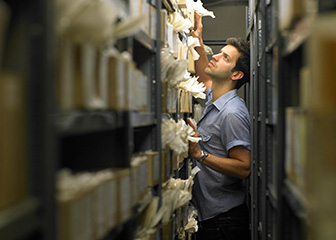
What they do
Historians conduct research and analysis for governments, businesses, individuals, nonprofits, historical associations, and other organizations. They use a variety of sources in their work, including government and institutional records, newspapers, photographs, interviews, films, and unpublished manuscripts, such as personal diaries, letters, and other primary source documents. They also may process, catalog, and archive these documents and artifacts.
Work Environment
Historians must travel to carry out research. Most work full time.
How to Become a Historian
Historians typically need at least a master’s degree to enter the occupation. Those with a bachelor’s degree in history may qualify for some entry-level positions, but most will find jobs in different fields.
Salary
The median annual wage for historians was $74,050 in May 2024.
Job Outlook
Employment of historians is projected to grow 2 percent from 2024 to 2034, slower than the average for all occupations. Despite limited employment growth, about 300 openings for historians are projected each year, on average, over the decade. Most of those openings are expected to result from the need to replace workers who transfer to different occupations or exit the labor force, such as to retire.
Similar Occupations
Jobs similar to a historian focus on research, analysis, and interpretation of the past, with roles including archivist, museum curator, genealogist, or historic site manager. These positions are found in museums, government agencies, universities, and corporate, with similar roles offering opportunities to curate content, manage collections, or teach, with typical salaries.