Plan A
US Airforce Jet Pilot
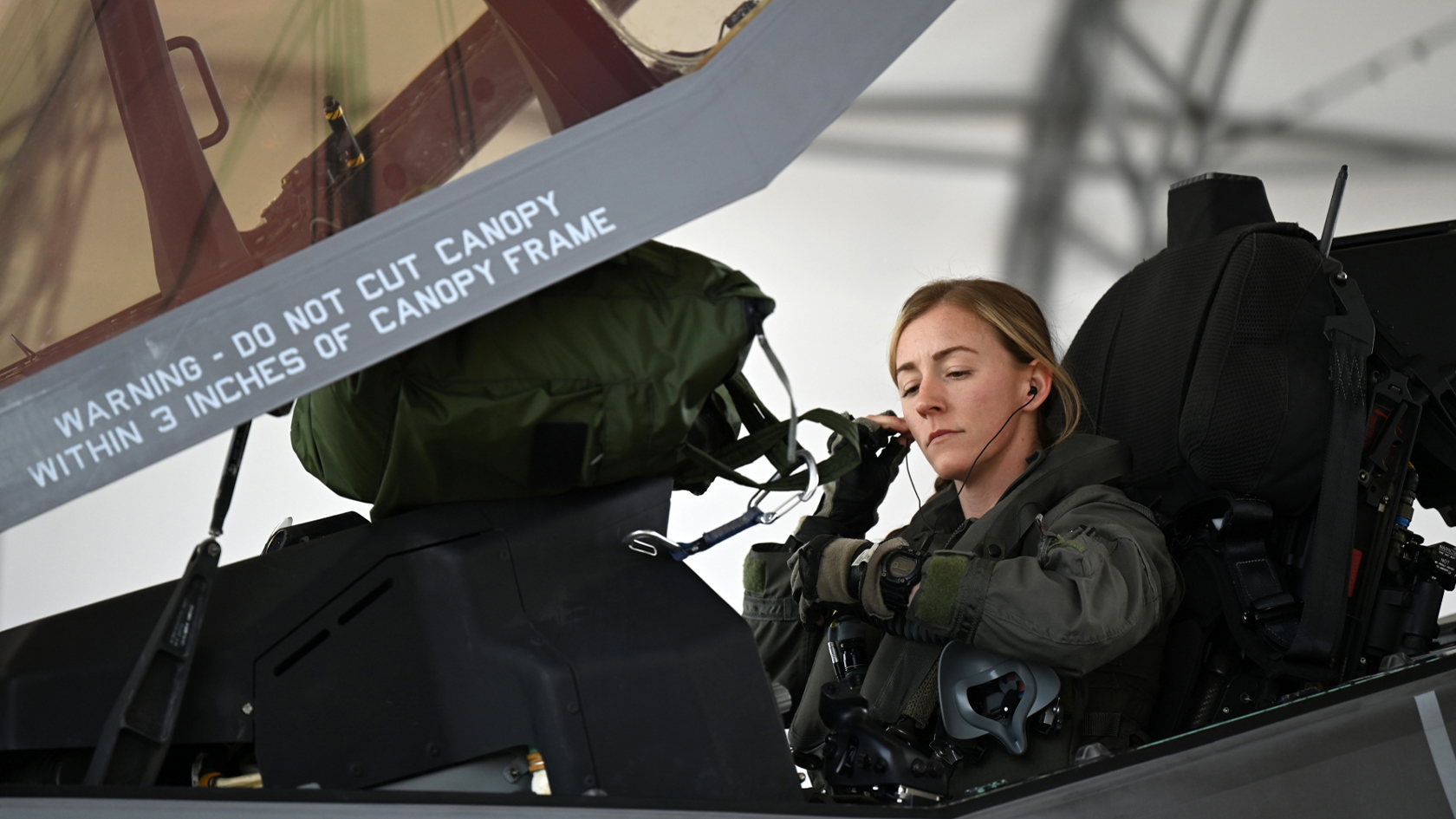
What they do
Air Force jet pilots are elite, highly trained commissioned officers who operate advanced fighter, bomber, or reconnaissance aircraft to maintain air superiority, conduct combat missions, and provide air support for ground troops. Beyond flying faster than sound, they review intel, plan missions, execute complex maneuvers, manage combat systems, and ensure precision weapons delivery while working with ground crews. They are leaders responsible for commanding crews, managing flight operations, and maintaining high physical fitness to endure intense G-forces
Work environment
Their work environment involves long hours at airfields worldwide, demanding extensive training, meticulous mission planning, and often operating under extreme pressure while away from home and family, or friends.
How to become Jet Pilot
To become an Air Force jet pilot, you must first earn a bachelor's degree and complete a commissioned officer program. From there, you will complete Undergraduate Pilot Training (UPT) and Advanced Flight Training to earn your wings and secure an active-duty assignment.
Salary
As of May 14, 2026, the average annual pay for a Military Fighter Pilot in the United States is $130,916 a year. salaries as high as $201,500 and as low as $49,500, the majority of Air Force Pilot salaries currently range between $100,000 (25th percentile) to $155,000 (75th percentile) with top earners (90th percentile) making $175,000 annually across the United States.
Job Outlook
The job outlook for military pilots is largely steady, as demand for these roles is often determined by national military strategy and government budgets. According to the U.S. Bureau of Labor Statistics, employment for aircrew members in the military is projected to remain steady over the next decade.
Similar Jobs
An Air Force jet pilot is a military officer who flies high-speed airplanes for combat, defense, and rescue missions. They spend their time planning flights, checking equipment, leading crews, and flying in dangerous or intense situations. If you like this kind of work, you might also like civilian jobs like flying for commercial airlines, teaching others how to fly as a flight instructor, or flying helicopters for emergency rescues. Other close options include working as an air traffic controller to guide planes from the ground, or flying surveillance airplanes for federal law enforcement agencies like the FBI.